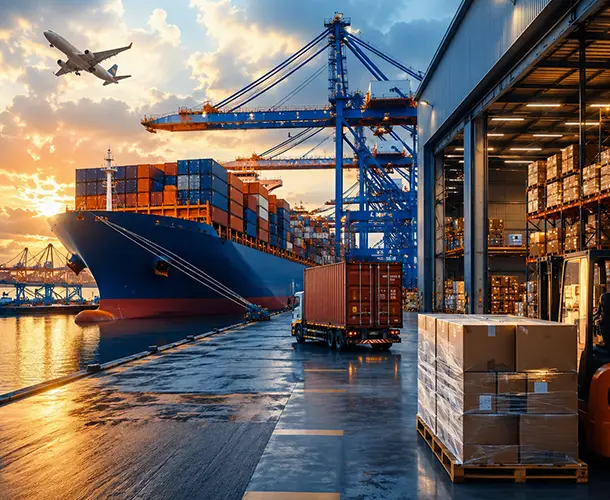
Shipping from China to Canada involves more than booking cargo space with an airline or ocean carrier. A commercial shipment may require supplier coordination, cargo pickup, export documentation, consolidation, origin handling, international freight, customs clearance, destination handling, and final delivery in Canada. Working with an experienced freight forwarder helps connect these stages into one organized logistics process.
TopShipping provides end-to-end freight forwarding support for Canadian importers, wholesalers, distributors, manufacturers, retailers, e-commerce businesses, and other companies purchasing commercial goods from Chinese suppliers. Depending on the cargo volume, product type, delivery deadline, Incoterm, and final destination, shipments can be arranged by air freight, sea freight, LCL, FCL, or a complete door-to-door service.
End-to-End Freight Coordination from China to Canada
The shipping process normally begins with a review of the cargo details. This includes the product description, number of cartons or pallets, gross weight, dimensions, cargo value, supplier location, cargo-ready date, Incoterm, and delivery address in Canada. Accurate shipment information is necessary to compare transportation methods, identify customs requirements, and prepare a reliable freight quotation.
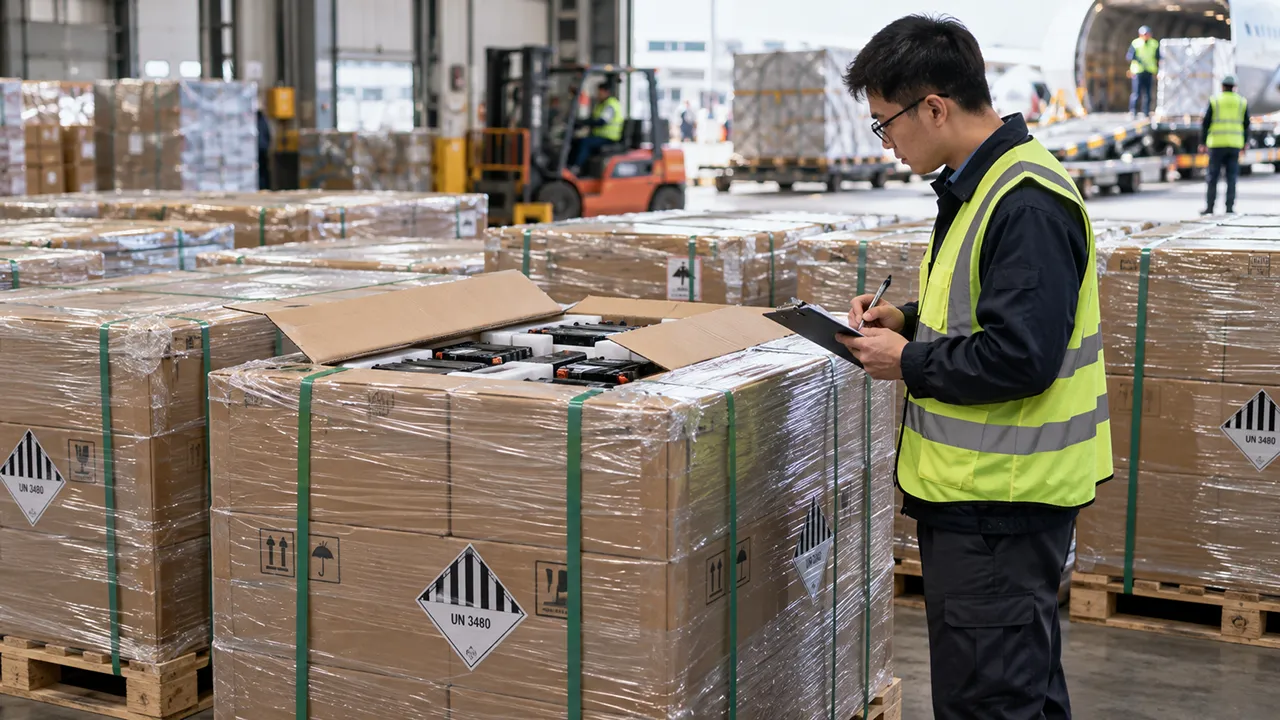
Depending on the shipment, cargo can be collected directly from a factory, trading company, or supplier warehouse in China. When goods are purchased from several suppliers, they may also be delivered to a consolidation warehouse before export. This allows shipments to be received, combined, checked, repacked where required, and prepared under one coordinated freight plan.
| Shipping Stage | What Is Coordinated | Why It Matters |
|---|---|---|
| Cargo planning | Product type, weight, volume, cargo value, Incoterm, timeline, and destination are reviewed. | Complete shipment data helps identify the appropriate freight method and prevents inaccurate quotations. |
| Supplier pickup | Cargo is collected from factories, suppliers, or warehouses in China. | Pickup coordination helps align cargo readiness with warehouse receiving and carrier schedules. |
| Cargo consolidation | Goods from one or multiple suppliers can be received, combined, and prepared for export. | Consolidation can reduce separate handling and create a more organized shipping process. |
| Export handling | Booking, origin documentation, warehouse handling, and export procedures are arranged. | Correct export preparation reduces the risk of documentation and departure delays. |
| International freight | Cargo moves from China to Canada by air freight, sea freight, LCL, or FCL. | The transport method should match the shipment volume, deadline, cargo type, and budget. |
| Customs clearance | Commercial invoices, packing lists, transport documents, HS code details, and importer information are coordinated. | Accurate customs information supports correct duty and tax assessment and timely cargo release. |
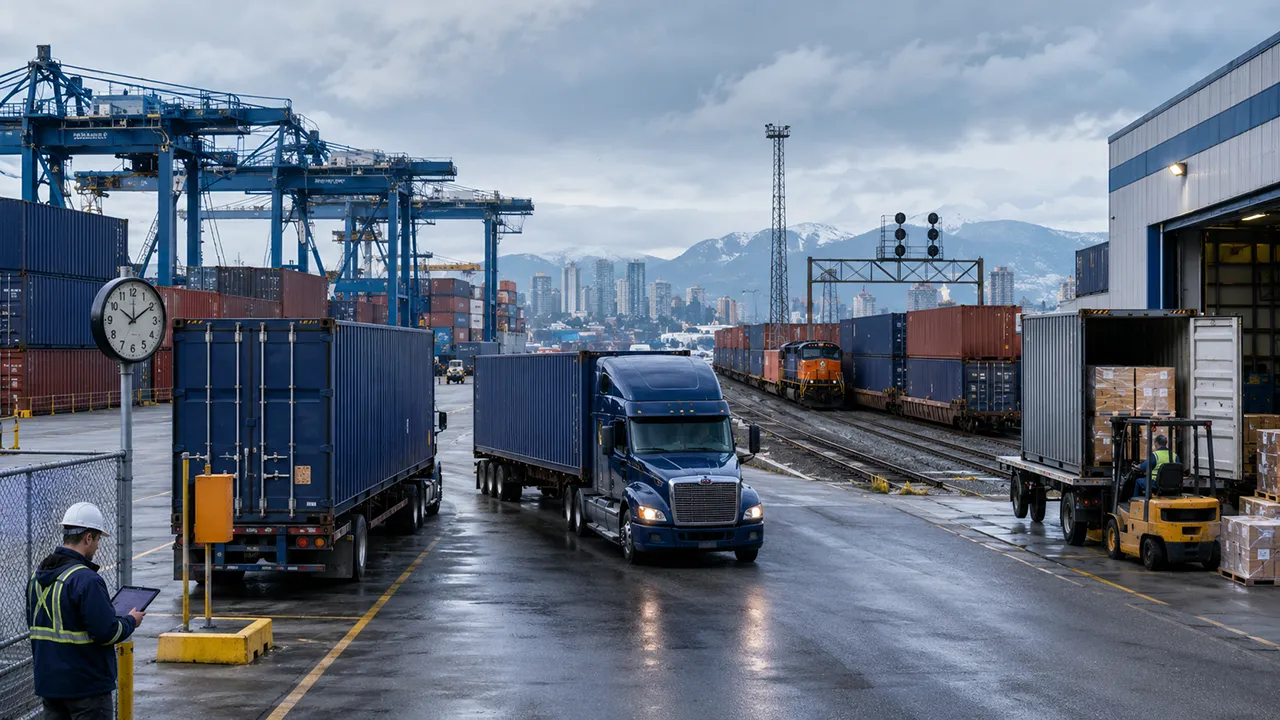
| Final delivery | Released cargo is delivered to a warehouse, business address, 3PL, or fulfillment centre in Canada. | Destination planning helps prevent storage, appointment, access, and delivery problems. |
Air Freight or Sea Freight from China to Canada?
The best method for shipping from China to Canada depends on the commercial requirements of the shipment. Air freight is generally suitable for urgent inventory, product samples, spare parts, higher-value goods, seasonal products, and shipments where a delay could affect sales or production.
Air freight charges are often calculated using chargeable weight, which compares the shipment’s actual weight with its volumetric weight. For this reason, a lightweight but bulky shipment may be priced differently from a compact shipment with the same physical weight.
Sea freight is usually more practical for larger, heavier, or regularly planned shipments. Businesses that do not have enough cargo to fill a container can use LCL shipping, where the shipment shares container space with other cargo. Importers with larger volumes may use FCL shipping, which provides dedicated use of a shipping container.
The most cost-effective option cannot be selected based on the freight rate alone. Origin charges, destination handling, customs clearance, duties, taxes, inland delivery, cargo volume, shipment frequency, and storage risks should also be considered when comparing air freight, LCL, and FCL shipping.
Door-to-Door Freight and Customs Clearance Support
A door-to-door freight service can simplify the import process for businesses that do not want to coordinate separate logistics providers in China and Canada. Depending on the agreed scope, the service may include supplier pickup, export handling, international transportation, destination customs coordination, and delivery to the final commercial address.
DDP shipping may also be available for suitable cargo and routes. However, DDP should not be selected without reviewing the product classification, declared value, importer requirements, duties, taxes, permits, and Canadian customs regulations. Restricted products, regulated goods, or shipments requiring special licences may need a different import structure.
Documentation is a critical part of every commercial shipment. Product descriptions on the commercial invoice should be clear and specific, packing details should match the physical cargo, and the selected HS code should accurately represent the imported product. The buyer should also understand how the agreed Incoterm divides transportation costs, customs responsibilities, and risk between the supplier and importer.
Freight Forwarding for Canadian Importers
A freight forwarder should evaluate the complete supply chain rather than recommend the same shipping method for every cargo type. A wholesaler importing palletized products may require LCL or FCL sea freight, while an e-commerce business may use ocean freight for planned stock and air freight for urgent replenishment.
Manufacturers may need dependable transportation for components and production materials, while first-time importers may require additional support with supplier communication, commercial documents, customs requirements, and landed-cost planning. Importers purchasing from multiple Chinese suppliers may also benefit from warehouse consolidation before the cargo is exported.
TopShipping supports these requirements through supplier coordination, product sourcing, cargo consolidation, air freight, sea freight, customs clearance assistance, warehousing, and delivery across Canada. Each shipping plan is prepared according to the cargo specifications, commercial priorities, and destination requirements.
What Determines Shipping Costs from China to Canada?
China to Canada shipping costs are affected by several connected factors. These include the pickup city in China, destination in Canada, cargo weight and dimensions, shipping method, container requirements, product type, Incoterm, customs classification, duties, taxes, seasonal carrier capacity, and final delivery conditions.
For sea freight, the total cost may include origin handling, ocean freight, documentation, destination charges, customs clearance, and inland delivery. For air freight, pricing is influenced by chargeable weight, airport routing, cargo characteristics, handling requirements, and delivery location.
A useful freight quotation should therefore be based on complete shipment information rather than a general price per kilogram or cubic metre. Reviewing the full logistics route helps businesses compare available options and estimate the total landed cost more accurately.
Explore our complete China to Canada freight services to review available shipping methods, customs solutions, consolidation services, sourcing support, and commercial delivery options.