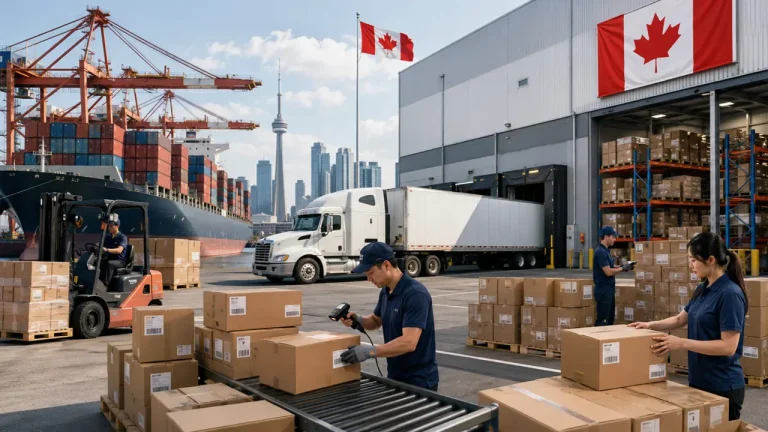
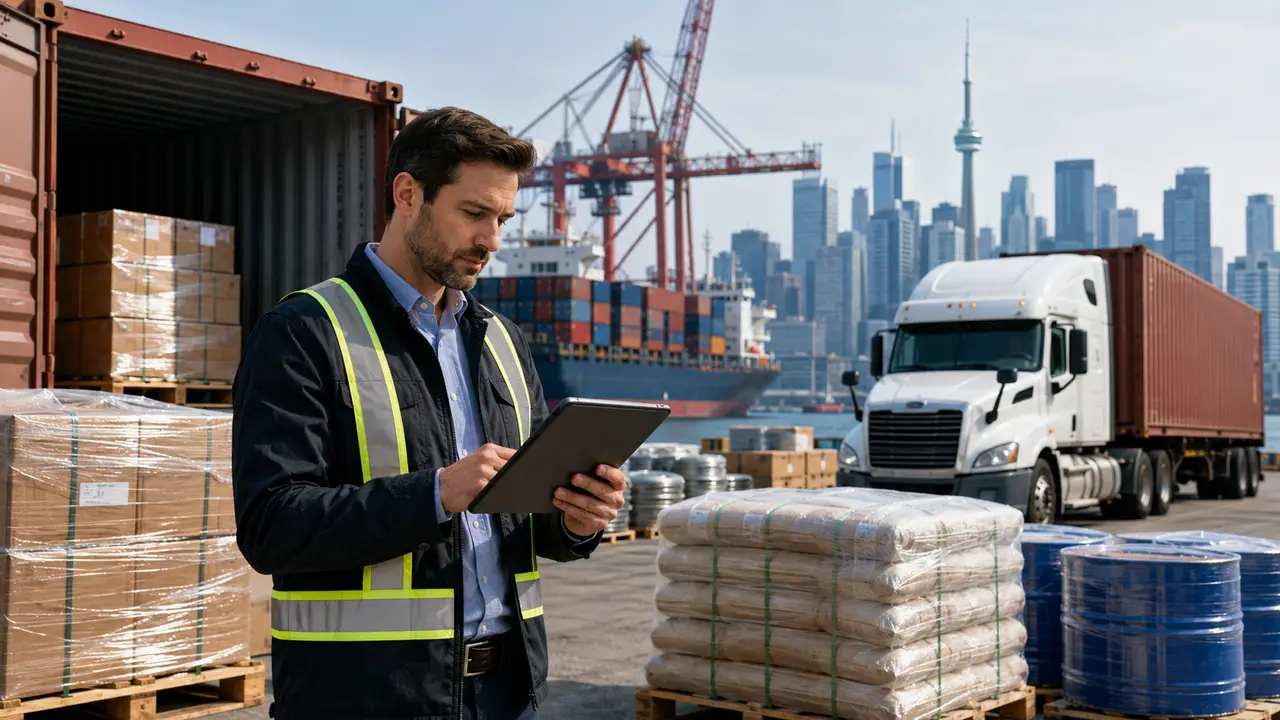
China to Canada Freight Support for Importers
Canadian importers often manage several moving parts before goods arrive in Canada. Suppliers may be located in different cities, documents may need correction, product descriptions may be unclear, and the best shipping method may depend on weight, volume, urgency, and customs requirements.
TopShipping helps importers connect the key stages of the process: supplier pickup in China, air or sea freight, customs clearance support, DDP or door-to-door delivery, warehousing, and final delivery in Canada.
If you want to review the complete import route, visit our main page for Shipping from China to Canada.
Who This Service Is For
This service is designed for Canadian businesses importing commercial goods from China and needing reliable freight coordination from supplier to destination.
It is suitable for:
- Canadian importers buying from Chinese suppliers
- Businesses importing commercial inventory
- Wholesalers and distributors
- Retailers and e-commerce sellers
- Manufacturers importing components or finished goods
- Companies buying from multiple suppliers in China
- Businesses that need customs clearance and delivery support
- Importers looking for air, sea, DDP, or door-to-door freight options
For more industry-focused logistics services, visit our Industries category.
Import Planning Before Shipping
A successful import shipment starts before the goods leave China. Importers should confirm product details, supplier readiness, shipping documents, cargo size, HS code information, and delivery requirements before booking freight.
Before shipping, Canadian importers should confirm:
- Supplier name and pickup address in China
- Product description and material details
- Commercial invoice and packing list
- Carton count, weight, and dimensions
- Cargo value and currency
- HS code if available
- Ready date for pickup
- Preferred shipping method
- Delivery address in Canada
- Whether customs clearance, DDP, or final delivery is needed
Clear details help reduce delays, quote changes, customs issues, and delivery problems.
Air Freight for Canadian Importers
Air freight is suitable when speed is important. Canadian importers use air freight for urgent inventory, samples, high-value products, replacement parts, product launches, and time-sensitive commercial goods.
Air freight may be the right option when:
- The shipment is urgent
- The cargo is high-value or time-sensitive
- You need fast inventory replenishment
- The shipment is small or medium-sized
- Stockout risk is higher than the freight cost
- You need samples or launch inventory quickly
Typical air freight from China to Canada may take around 5–7 business days in many cases, depending on route, cargo readiness, customs clearance, and final delivery location.
For urgent cargo, visit our air freight from China to Canada service.
Sea Freight for Canadian Importers
Sea freight is usually the most cost-effective option for larger, heavier, and planned shipments. It is commonly used for wholesale inventory, bulk commercial goods, palletized cargo, retail stock, and recurring replenishment shipments.
Sea freight may be the right option when:
- Your cargo is large or heavy
- You can plan inventory in advance
- You want lower freight cost per unit
- Your shipment is suitable for LCL or FCL shipping
- You are importing wholesale or commercial stock
- Delivery speed is less urgent than cost control
Typical sea freight from China to Canada may take around 25–40 days depending on route, carrier schedule, customs clearance, and final delivery.
For larger shipments, visit our sea freight from China to Canada service.
LCL and FCL Options for Importers
Canadian importers using ocean freight usually choose between LCL and FCL. The right option depends on cargo volume, shipment size, budget, and delivery requirements.
LCL Shipping
LCL means Less than Container Load. It is useful when your cargo does not fill a full container and you want to share container space with other shipments.
LCL may be suitable when:
- Your cargo volume is smaller
- You are testing new suppliers or product lines
- You want to reduce ocean freight cost
- You need to consolidate goods from multiple suppliers
- You can accept longer handling time compared with direct FCL movement
FCL Shipping
FCL means Full Container Load. It is suitable when your cargo volume is large enough for a dedicated container or when you want more control over container space.
FCL may be suitable when:
- You are importing high-volume cargo
- You need a dedicated container
- Your goods are heavy, bulky, or palletized
- You ship recurring inventory from China
- You want fewer handling points than LCL
If you are unsure whether LCL or FCL is better, TopShipping can review your carton count, dimensions, gross weight, and shipment timeline.
DDP Shipping for Canadian Importers
DDP shipping can help importers simplify the landed delivery process. DDP means Delivered Duty Paid, where duties, taxes, customs clearance, freight, and final delivery are handled under the agreed duty-paid service terms.
DDP shipping may be useful when:
- You want duty-paid delivery to Canada
- You prefer fewer separate logistics steps
- You need customs and delivery included in one arrangement
- You want clearer landed-cost planning
- You are shipping to a warehouse, business address, or fulfillment location
DDP is not suitable for every product. Product type, HS code, declared value, restrictions, and documents must be reviewed before confirming availability.
For duty-paid service details, visit our DDP shipping from China to Canada page.
Door-to-Door Shipping for Importers
Door-to-door shipping helps importers move cargo from a supplier, factory, or warehouse in China to the final destination in Canada. It can include pickup, export handling, international freight, customs clearance support, and final delivery.
Door-to-door shipping can help when:
- You need supplier pickup in China
- You want final delivery in Canada
- You do not want to coordinate multiple providers separately
- Your shipment needs customs clearance and delivery planning
- You are importing to a warehouse, business address, or distribution point
For complete delivery support, visit our door-to-door shipping from China to Canada service.
Customs Clearance for Canadian Importers
Customs clearance is one of the most important steps when importing from China to Canada. Even if freight is arranged correctly, missing documents, vague product descriptions, incorrect values, or unclear HS codes can delay release and final delivery.
Common customs information may include:
- Commercial invoice
- Packing list
- Air waybill or bill of lading
- HS code if available
- Product description
- Declared cargo value
- Country of origin
- Supplier information
- Importer or consignee details
- Product certificates if required
For import clearance support, visit our customs clearance China to Canada service.
Import Documents and Compliance
Canadian importers should prepare accurate shipping documents before cargo leaves China. Good documents improve freight quote accuracy, customs clearance, cargo release, warehouse receiving, and final delivery planning.
Important documents and details include:
- Commercial invoice with accurate value
- Packing list with carton count, weight, and dimensions
- Clear product descriptions
- HS code information if available
- Supplier and importer details
- Transport document for air or sea freight
- Delivery address and final consignee information
For document guidance, read our shipping documents China to Canada guide.
Duties, Taxes, and Landed Cost Planning
Importers should calculate landed cost, not only the supplier price or freight quote. Landed cost includes product cost, pickup, freight, duties, taxes, customs clearance, warehousing if needed, and final delivery in Canada.
Landed cost can include:
- Product cost from supplier
- China-side pickup and export handling
- Air freight or sea freight
- Customs clearance fees
- Duties and taxes
- Destination handling
- Warehousing or storage if needed
- Final delivery in Canada
For customs cost planning, read our HS code, duties and taxes for Canada imports guide.
Multi-Supplier Shipping for Importers
Many Canadian importers buy products from several suppliers in China. Without consolidation, separate supplier shipments can increase costs, create more paperwork, and make delivery planning more difficult.
Freight consolidation can help importers:
- Combine goods from multiple suppliers
- Reduce repeated pickup and shipping costs
- Improve cargo organization before export
- Prepare cleaner invoice and packing records
- Reduce supplier communication gaps
- Ship one coordinated cargo movement to Canada
If you buy from several suppliers, visit our China freight consolidation Canada service.
Product Sourcing and Supplier Support
Some importers need support before shipping starts. Product sourcing can help businesses find suppliers, verify manufacturers, coordinate samples, review product details, and prepare goods for export from China.
Product sourcing support may include:
- Supplier search in China
- Supplier verification assistance
- Factory verification support when needed
- Sample coordination
- Basic quality control before shipment
- Connection between sourcing, freight, customs, and final delivery
If you need sourcing support, visit our product sourcing from China to Canada page.
Warehousing and Distribution in Canada
After cargo arrives in Canada, some importers need storage, distribution, or staged delivery. Warehousing can help organize inventory before it is delivered to a warehouse, retail location, fulfillment center, or multiple business destinations.
Warehousing and distribution may help with:
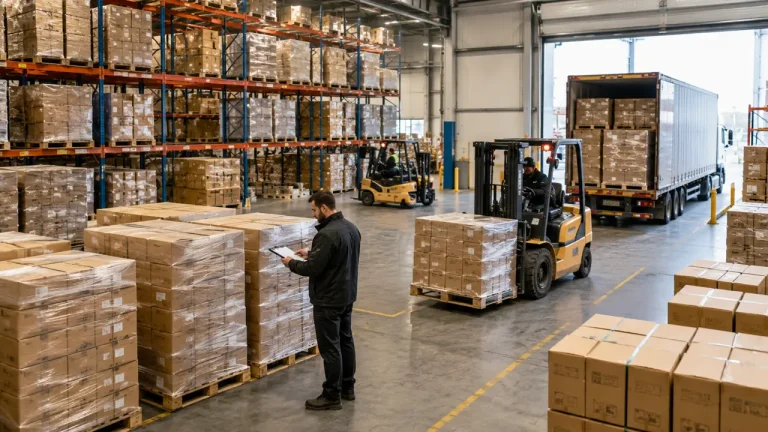
- Temporary storage after import
- Inventory organization
- Delivery planning to business addresses
- Distribution to multiple Canadian locations
- Support for e-commerce, wholesale, and retail cargo
If your shipment needs Canada-side storage or delivery planning, visit our warehousing and distribution in Canada page.
Shipping Cost for Canadian Importers
Shipping cost depends on cargo size, weight, volume, shipping method, pickup location, delivery address, customs requirements, duties, taxes, and final delivery needs. Importers should compare total landed cost rather than only the basic freight rate.
Main cost factors include:
- Air freight or sea freight method
- LCL or FCL option
- Actual and volumetric weight
- Cargo volume in cubic meters
- Pickup and final delivery locations
- Customs clearance requirements
- Duties and taxes
- DDP or door-to-door service scope
- Warehousing or distribution needs
For pricing guidance, read our shipping cost from China to Canada guide.
Shipping Time for Canadian Importers
Shipping time depends on the method, route, supplier readiness, customs clearance, and final delivery location. Air freight is faster, while sea freight is better for planned shipments.
Typical timelines may include:
- Air freight: around 5–7 business days in many cases
- Sea freight: around 25–40 days depending on route and destination
- DDP or door-to-door: depends on freight method, customs handling, and final delivery
- Consolidated shipments: may require extra preparation time before export
For transit guidance, read our shipping time from China to Canada guide.
What Information Is Needed for an Importer Shipping Quote?
To prepare a practical freight quote for Canadian importers, TopShipping needs accurate cargo, supplier, and delivery details.
Please prepare:
- Supplier pickup address in China
- Delivery address in Canada
- Product name and detailed description
- Number of cartons or pallets
- Total gross weight
- Carton or pallet dimensions
- Cargo value
- HS code if available
- Ready date for pickup
- Preferred shipping method if known
- Whether customs clearance, DDP, or door-to-door delivery is needed
- Any warehousing, distribution, or fulfillment requirements
You can send these details through our Get a Freight Quote page.
Why Choose TopShipping for Canadian Import Shipping?
TopShipping helps Canadian importers move commercial goods from China with coordinated freight, customs, consolidation, sourcing, and delivery support. Our goal is to reduce fragmented logistics work and help importers manage shipments with clearer planning and fewer avoidable delays.
Canadian importers choose TopShipping because they need:
- Air and sea freight options from China to Canada
- Supplier pickup and China-side coordination
- DDP and door-to-door shipping support
- Multi-supplier cargo consolidation
- Customs clearance and documentation support
- Warehousing and distribution planning in Canada
- One logistics partner from supplier pickup to final delivery
Request Shipping Support for Canadian Imports
If your business imports commercial goods from China to Canada, TopShipping can review your cargo details, supplier location, customs needs, timeline, and delivery requirements to recommend a practical freight solution.