Customs Clearance for China to Canada Shipments
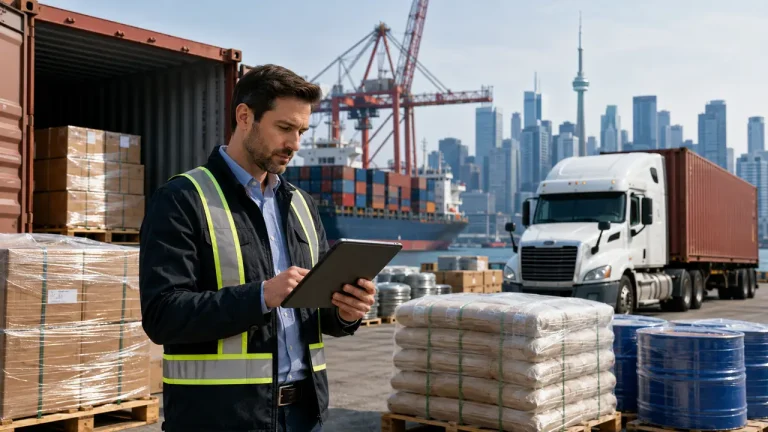
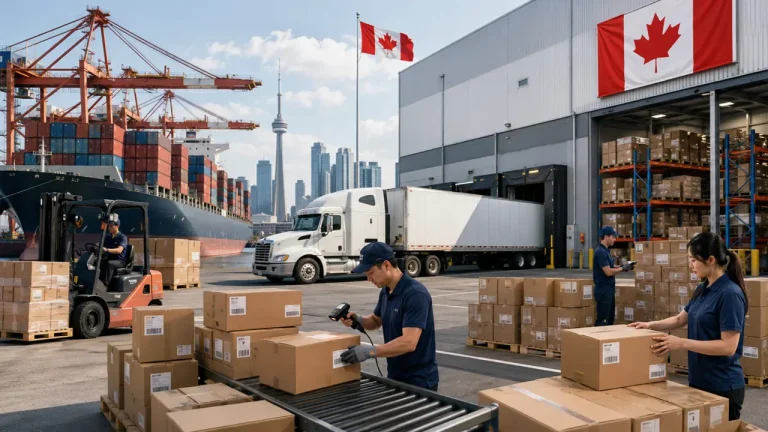
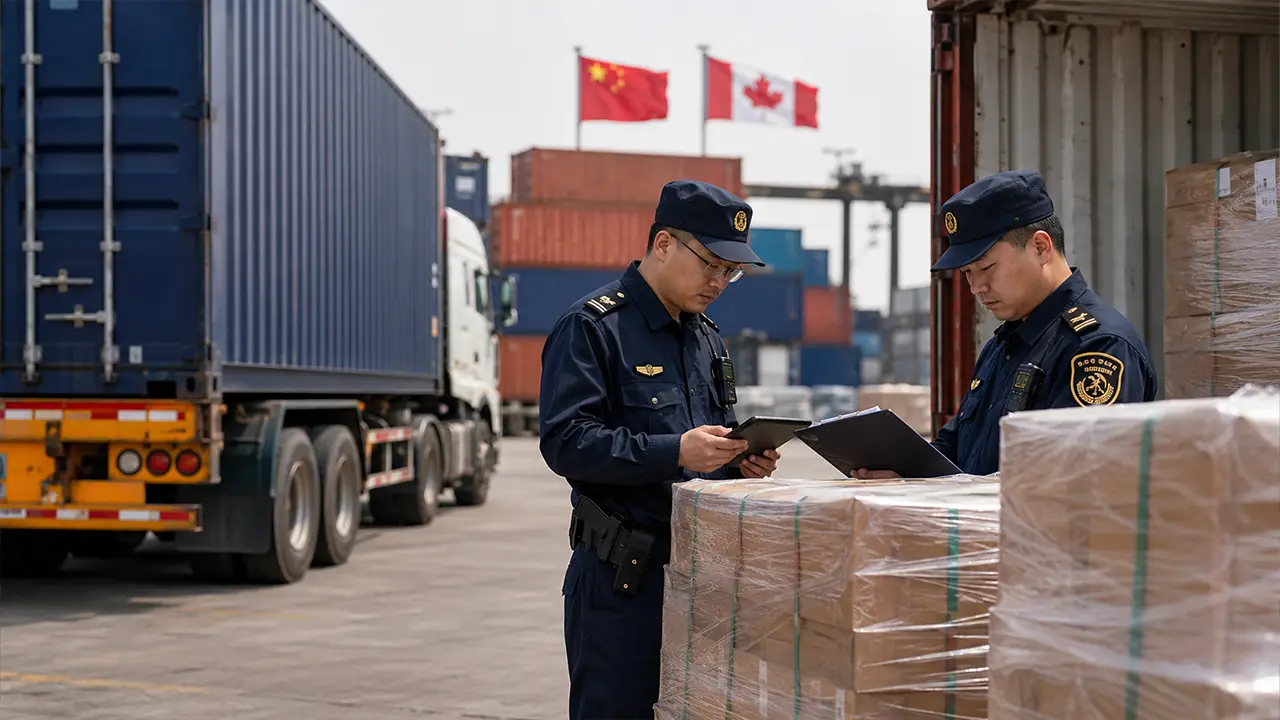
When commercial goods enter Canada from China, they must go through import customs clearance before they can be released for delivery. This process confirms the product details, declared value, classification, import requirements, and applicable duties or taxes.
For importers, customs clearance is not only a paperwork step. It directly affects delivery time, landed cost, compliance, and final cargo release. A shipment with missing or inaccurate information can face delays, document corrections, storage charges, inspections, or additional review.
If you are reviewing the full logistics process, you can start from our main page for Shipping from China to Canada.
What Customs Clearance Includes
Customs clearance involves checking shipment information, preparing required documents, confirming product classification, and coordinating with customs-related parties so the cargo can be released for delivery in Canada.
Customs clearance support may include:
- Reviewing commercial invoice and packing list details
- Checking product descriptions for clarity
- Reviewing HS code information when available
- Coordinating import documentation
- Supporting air freight or sea freight clearance
- Helping with customs-related shipment information
- Coordinating with freight and final delivery steps
- Reducing delays caused by incomplete documents
The exact requirements depend on the product type, shipment value, importer information, shipping method, and Canadian import regulations.
Who Needs Customs Clearance Support?
Customs clearance support is useful for businesses that import commercial goods from China and want to reduce documentation errors, customs delays, and communication gaps during the import process.
This service is commonly used by:
- Canadian importers buying goods from Chinese suppliers
- E-commerce sellers shipping inventory from China
- Amazon FBA and Shopify sellers
- Wholesalers and distributors
- Retailers importing commercial stock
- Businesses using air freight or sea freight
- Importers using DDP or door-to-door shipping
- Companies importing from multiple suppliers in China
For related customs and import topics, visit our Customs and Import Services category.
Required Documents for Customs Clearance
Accurate documents are essential for customs clearance from China to Canada. The required paperwork may vary by product, shipment value, shipping method, and import requirements, but most commercial shipments need a clear set of basic documents.
Common customs documents may include:
- Commercial invoice
- Packing list
- Air waybill or bill of lading
- HS code
- Product description
- Declared cargo value
- Country of origin details
- Supplier information
- Importer or consignee information
- Product certificates or permits if required
For some products, additional certificates, licenses, test reports, labeling information, or compliance documents may be required before the goods can be imported into Canada.
Commercial Invoice and Packing List
The commercial invoice and packing list are two of the most important documents for customs clearance. These documents help identify what is being shipped, who is selling and buying the goods, how the cargo is packed, and what value has been declared.
A commercial invoice should normally include:
- Seller and buyer information
- Product description
- Quantity
- Unit value and total value
- Currency
- Country of origin
- Incoterms if available
- HS code if known
A packing list should normally include:
- Carton or pallet count
- Gross weight
- Net weight if available
- Package dimensions
- Product quantities by carton or pallet
- Shipping marks if applicable
If invoice and packing details do not match the physical cargo, customs clearance may be delayed.
HS Code and Product Classification
The HS code is used to classify products for customs purposes. It can affect duty rates, taxes, import requirements, and whether the product needs additional documentation. Incorrect classification can create delays or cost issues.
Importers should provide the HS code if they already have it. If not, the product description should be detailed enough to support classification review.
A clear product description may include:
- Product name
- Material
- Main use
- Model or SKU if applicable
- Technical specifications if relevant
- Whether the product is finished goods, parts, or accessories
For customs purposes, a vague description such as “accessories,” “parts,” or “samples” is often not enough. Clear descriptions help reduce customs questions and document correction requests.
Customs Clearance for Air Freight
Air freight moves quickly, so customs documents must be prepared accurately before the shipment arrives in Canada. Any missing information can slow down a shipment that was otherwise moving fast.
Customs clearance for air freight is commonly needed for:
- Urgent inventory shipments
- High-value cargo
- E-commerce stock
- Samples and replacement goods
- Time-sensitive commercial shipments
If you are shipping urgent cargo, visit our air freight from China to Canada page.
Customs Clearance for Sea Freight
Sea freight shipments often involve larger cargo volumes, LCL shipments, FCL containers, palletized goods, or wholesale inventory. Customs documents for sea freight must be consistent with the bill of lading, packing list, invoice, and cargo details.
Customs clearance for sea freight is commonly needed for:
- Wholesale shipments
- Bulk commercial cargo
- LCL and FCL ocean freight
- Retail inventory
- Multi-supplier consolidated cargo
- Planned replenishment shipments
If you are moving larger cargo, visit our sea freight from China to Canada page.
Customs Clearance for Door-to-Door and DDP Shipping
Customs clearance can be part of a door-to-door or DDP shipping arrangement. In door-to-door shipping, customs support may be included depending on the service scope. In DDP shipping, duties, taxes, customs handling, and final delivery are handled according to the agreed duty-paid terms.
The difference matters:
- Door-to-door shipping: focuses on pickup in China and final delivery in Canada.
- DDP shipping: focuses on duty-paid delivery with duties and taxes handled under the agreed terms.
- Customs clearance: focuses on document review, import processing, classification, and cargo release.
For full delivery options, review door-to-door shipping from China to Canada and DDP shipping from China to Canada.
Customs Clearance for Consolidated Shipments
When cargo is consolidated from multiple suppliers in China, customs documentation needs extra attention. Each supplier may provide a separate invoice, packing list, product description, and declared value. These details must be organized before export and import clearance.
Consolidated shipment documents should clearly show:
- Which products come from each supplier
- Carton count and weight by supplier
- Product descriptions and values
- Packing details for the combined shipment
- Importer and consignee information
- Any product-specific documents if required
If you buy from several suppliers, visit our China freight consolidation Canada service.
Common Customs Clearance Problems
Many customs delays happen because shipment information is incomplete, inconsistent, or unclear. Some problems can be avoided by preparing documents before the cargo leaves China.
Common customs clearance issues include:
- Missing commercial invoice
- Incomplete packing list
- Unclear product description
- Incorrect or missing HS code
- Declared value questions
- Mismatch between invoice and packing list
- Missing importer information
- Product certificates not provided when required
- Restricted or regulated products not reviewed before shipment
TopShipping helps importers organize shipment details before clearance to reduce avoidable delays and communication issues.
Customs Duties, Taxes, and Import Fees
When importing from China to Canada, duties, taxes, and import-related fees may apply depending on the product classification, declared value, country of origin, and Canadian import requirements. These costs are separate from basic freight charges unless the shipment is arranged under a duty-paid service model such as DDP.
Cost-related customs factors may include:
- HS code classification
- Declared commercial value
- Product category
- Country of origin
- Duties and taxes
- Customs processing fees
- Inspection or storage charges if delays occur
For cost planning, visit our shipping cost from China to Canada guide.
Customs Clearance and Shipping Time
Customs clearance can affect the total delivery time of a shipment. Even if air freight or sea freight transit is on schedule, cargo cannot be delivered until the required clearance process is completed.
Clearance timing can depend on:
- Document accuracy
- Product classification
- Importer information
- Shipment value
- Product restrictions or certificates
- Customs review or inspection
- Port or airport processing conditions
For overall transit expectations, visit our shipping time from China to Canada page.
What Information Is Needed for Customs Clearance?
To support customs clearance from China to Canada, TopShipping needs accurate shipment and product details. The more complete the information is, the easier it is to prepare and coordinate the clearance process.
Please prepare the following information:
- Product name and description
- Commercial invoice
- Packing list
- HS code if available
- Declared cargo value
- Supplier name and address
- Importer or consignee details
- Number of cartons or pallets
- Total weight and dimensions
- Shipping method, such as air or sea freight
- Delivery address in Canada
- Any certificates or permits if required
You can send these details through our Get a Freight Quote page.
Why Choose TopShipping for Customs Clearance?
TopShipping helps Canadian importers connect freight movement with customs documentation and delivery planning. Our team supports the key details needed for China to Canada imports, including product information, shipping documents, customs requirements, and coordination with freight services.
Businesses choose TopShipping for customs clearance support because they need:
- China to Canada import experience
- Support with air and sea freight documents
- Review of invoice and packing details
- HS code and product description coordination
- Customs support for door-to-door and DDP shipments
- Clear communication between freight, customs, and delivery steps
- One logistics partner for the full import process
For related import services, visit our Customs and Import Services category.
Request Customs Clearance Support
If you are shipping commercial goods from China to Canada, accurate customs clearance planning can help reduce delays and improve delivery coordination. Send your shipment documents and cargo details to TopShipping, and our team will review the information needed for your import process.