
TopShipping
Find Your Shipping Solution

Shipping Methods From China to Canada

Canadian importers generally move commercial cargo from China by either air freight or sea freight. The right method depends on shipment urgency, cargo weight and volume, product value, inventory planning, supplier location and the final delivery point in Canada.

TopShipping coordinates shipping from China to Canada for businesses, wholesalers, retailers, e-commerce sellers and importers. We review the complete shipment rather than selecting a transport method based only on the lowest advertised freight rate.

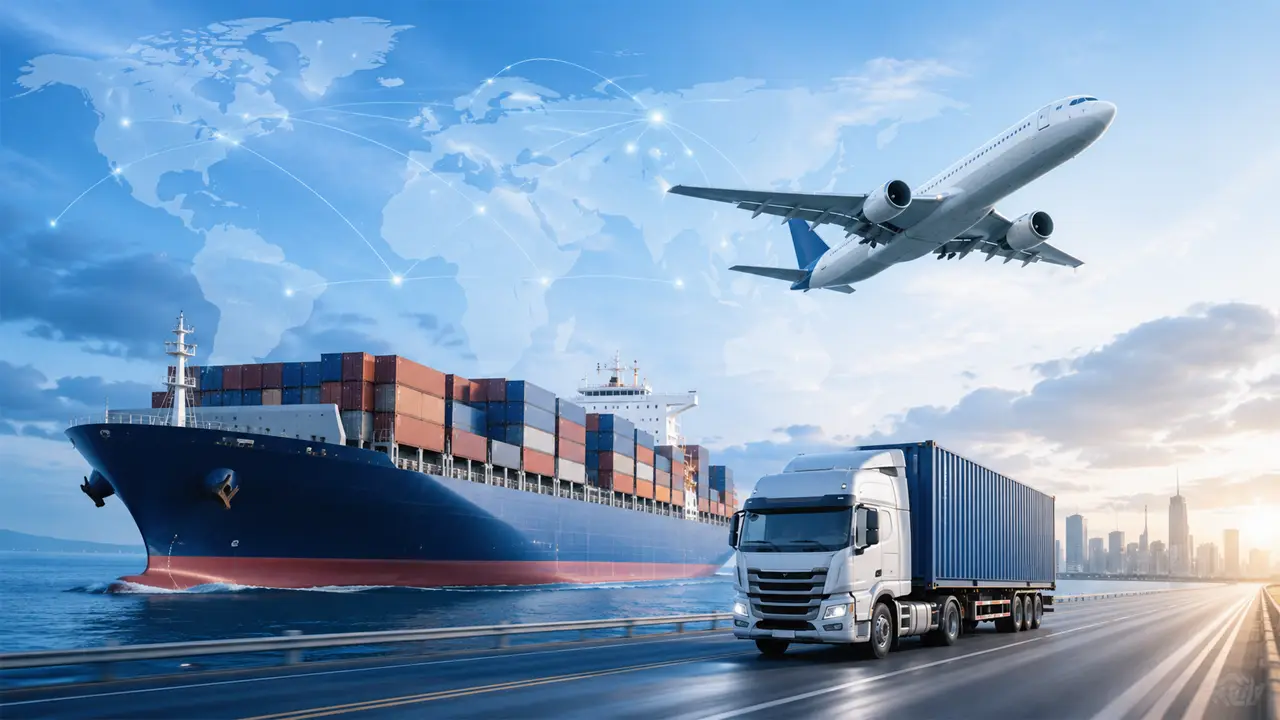
shipping method from China to Canada
TopShipping

From supplier to final delivery.

TopShipping
Shipping Options

Compare Air and Sea Freight from China to Canada

Estimated Freight Timelines

Transit ranges vary by origin city, carrier routing, cargo readiness, customs processing and the final delivery location in Canada.

Air Freight

5 – 12 Business
Days Estimated Door-to-Door

Sea Freight

20 – 45 Days
Depending on Route and Service Scope

Air Freight

Suitable for urgent inventory, commercial samples, spare parts and compact higher-value cargo where delivery speed and stock availability are priorities.

Sea Freight

Designed for wholesale inventory, palletized goods, machinery and larger commercial shipments that require better cost efficiency through LCL or FCL shipping.

Not Sure Which Freight Method Fits Your Cargo?
Send us your cargo dimensions, gross weight, supplier location and Canadian destination. We will compare air and sea freight based on chargeable weight, CBM, transit requirements and total delivery scope.

Air Freight or Sea Freight: Which Method Fits Your Shipment?

Air and ocean freight serve different supply-chain requirements. Air freight prioritizes speed and inventory availability, while sea freight normally provides better unit-cost efficiency for heavier and higher-volume shipments.

Air Freight from China to Canada

Air freight from China to Canada is generally suitable for urgent inventory, commercial samples, spare parts, launch stock and compact high-value products. Pricing is normally based on chargeable weight, which means the carrier compares the cargo’s actual gross weight with its volumetric weight and applies whichever is higher.

This method can be practical when a delayed shipment could cause stockouts, production downtime or missed sales opportunities. Cargo dimensions, airline capacity, product restrictions, customs documentation and final delivery requirements must still be reviewed before booking.

Sea Freight from China to Canada

Sea freight from China to Canada is normally the more economical option for bulk inventory, wholesale orders, palletized cargo, machinery and recurring commercial shipments. Depending on cargo volume, goods may move as LCL, where container space is shared, or FCL, where the importer uses a dedicated container.

Ocean freight requires longer inventory planning but usually provides a lower transport cost per unit at higher volumes. The final choice between LCL and FCL depends on CBM, gross weight, cargo density, handling requirements, origin and destination charges and available carrier schedules.

Air Freight vs Sea Freight at a Glance

Comparison FactorAir FreightSea Freight
Best suited forUrgent, compact and higher-value commercial cargoHeavy, bulky, recurring and higher-volume shipments
Main advantageFaster inventory replenishmentLower transportation cost per unit at larger volumes
Pricing basisChargeable weight based on actual or volumetric weightLCL based on W/M or CBM; FCL priced per container
Typical cargoSamples, electronics, spare parts and urgent stockWholesale goods, pallets, machinery and bulk inventory
Inventory planningSuitable for short lead times and urgent requirementsRequires earlier purchasing and replenishment planning
CapacityLimited by aircraft dimensions, weight and airline acceptanceSuitable for LCL cargo, full containers and oversized shipments

For a more detailed analysis of cost structure, transit planning, cargo handling and inventory strategy, read our guide to air vs sea freight from China to Canada.

How TopShipping Selects the Right Freight Method

Selecting a shipping method requires more than comparing air rates per kilogram with ocean rates per cubic metre. Our freight team reviews:

  • Product type and customs requirements
  • Total cartons, gross weight and carton dimensions
  • Actual weight, volumetric weight and total CBM
  • Supplier location and cargo readiness in China
  • Required delivery date and inventory risk
  • Destination city and final delivery requirements in Canada
  • Incoterm and responsibility for pickup, customs and delivery

Some importers also use a combined strategy: regular inventory moves by sea, while urgent SKUs, samples or shortage quantities move by air. This can provide a better balance between freight cost and inventory availability.

Send your cargo information through our freight quote form, and TopShipping will compare the available air and sea freight options based on your shipment requirements.

Shipping Methods FAQs

What is the best shipping method from China to Canada?

There is no single best method for every shipment. Air freight is generally better for urgent, compact or higher-value commercial cargo, while sea freight is usually more suitable for heavy, bulky and planned inventory shipments. The correct choice depends on cargo dimensions, gross weight, total volume, required delivery date and destination in Canada.

What is the cheapest way to ship commercial cargo from China to Canada?

Sea freight usually provides a lower transportation cost per unit for heavier and higher-volume shipments. However, the lowest ocean freight rate is not always the lowest total shipping cost. LCL handling charges, origin fees, destination charges, customs clearance and inland delivery must also be included when comparing options.

What is the fastest shipping method from China to Canada?

Air freight is normally the fastest method for commercial cargo. The complete timeline depends on supplier readiness, export processing, airline capacity, routing, customs clearance and final delivery in Canada. Transit estimates should therefore be confirmed for each shipment before booking.

Can a business use both air freight and sea freight?

Yes. Many importers use sea freight for regular inventory and move urgent SKUs, samples, replacement stock or critical components by air. This hybrid strategy can reduce overall freight expenditure while limiting the risk of stockouts or production delays.

Is sea freight always better for heavy cargo?

Not necessarily. Sea freight is generally more economical for heavy cargo, but urgency, cargo value, shipment density, destination charges and inventory risk must also be considered. A heavy shipment may still move by air when the financial impact of delayed delivery is greater than the additional freight cost.

What information is needed to compare air and sea freight?

A freight forwarder normally needs the product description, number of cartons or pallets, gross weight, carton dimensions, total cargo volume, supplier location in China, destination address in Canada, cargo-ready date, required delivery date and agreed Incoterm. Regulated, hazardous or sensitive products may require additional technical documents before either method can be confirmed.