Freight Consolidation from China to Canada
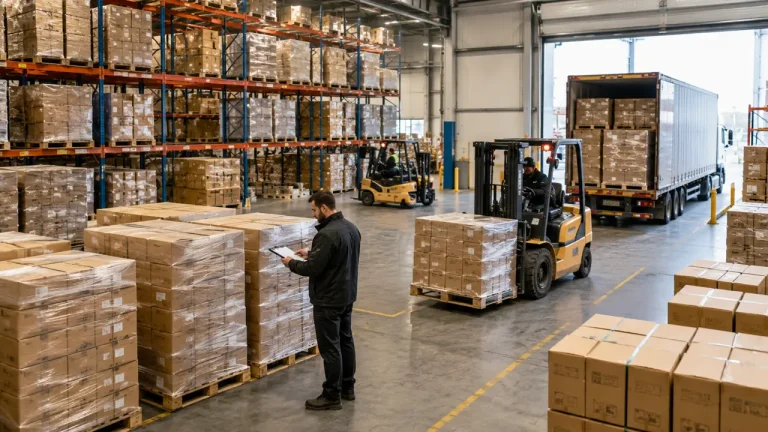
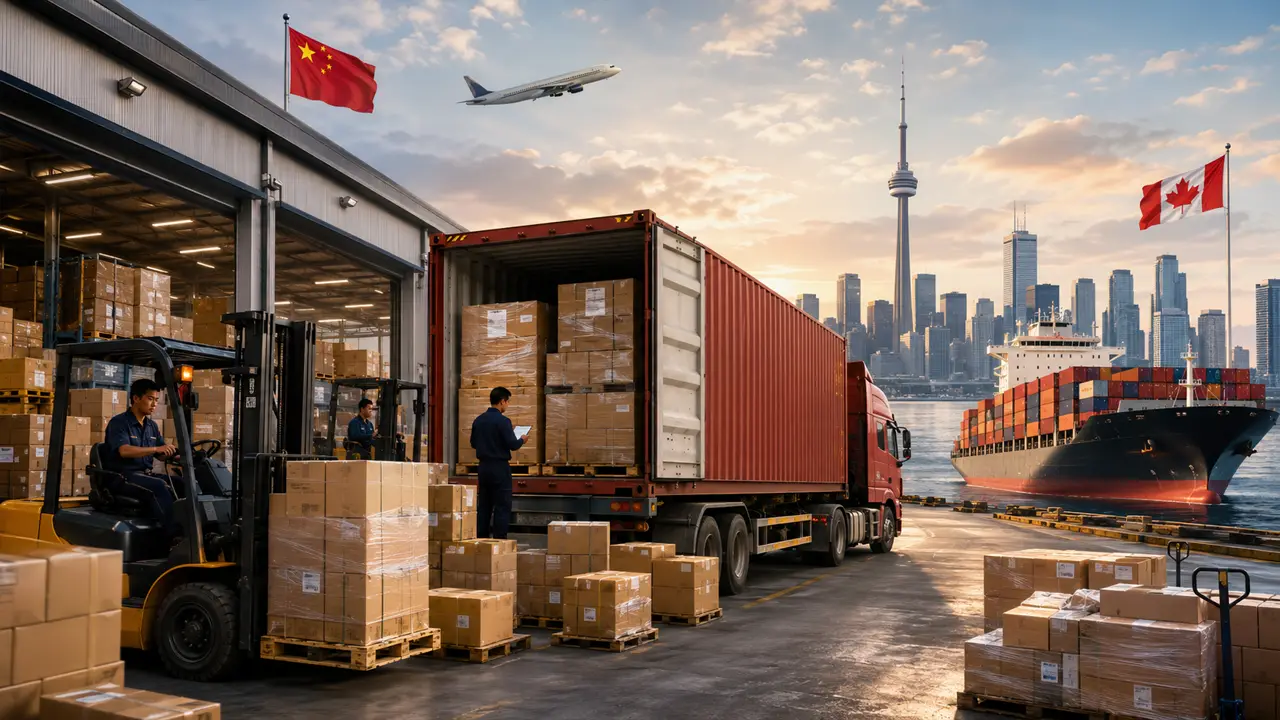
Freight consolidation is the process of collecting goods from different suppliers and combining them into one shipment. Instead of sending separate small shipments from each supplier, your cargo can be received, checked, organized, and shipped together through a more efficient freight plan.
For Canadian importers, consolidation can reduce unnecessary shipping complexity, improve document control, and make the import process easier to manage. It is commonly used with sea freight, LCL shipping, e-commerce inventory, wholesale cargo, and multi-supplier purchasing from China.
If you want to review related services, visit our Freight Forwarding Services category.
How China Freight Consolidation Works
When you purchase products from multiple suppliers in China, each supplier may have different pickup times, packaging standards, cargo details, and documentation. TopShipping helps coordinate these moving parts so your shipment can be prepared more clearly before it leaves China.
A typical freight consolidation process may include:
- Supplier coordination in China
- Cargo pickup from multiple factories or warehouses
- Receiving goods at a consolidation point
- Checking carton count and basic shipment details
- Combining cargo into one shipment plan
- Preparing export documents and shipment records
- Arranging air freight or sea freight to Canada
- Supporting customs clearance and final delivery
The exact process depends on your suppliers, cargo type, shipment size, deadline, and preferred freight method.
Who Needs Freight Consolidation?
Freight consolidation is useful for businesses that buy from more than one supplier in China or need to organize several small orders before shipping to Canada. Without consolidation, importers may need to manage multiple shipments, repeated charges, separate documents, and more communication with different providers.
This service is suitable for:
- Canadian importers buying from multiple Chinese suppliers
- E-commerce sellers managing several product lines
- Amazon FBA and Shopify sellers
- Wholesalers importing mixed cargo
- Retailers sourcing from different factories
- Businesses combining samples, cartons, or bulk inventory
- Importers who want better shipment organization before export
If you also need help finding or verifying suppliers, visit our product sourcing from China to Canada page.
Why Consolidate Cargo Before Shipping to Canada?
Shipping each supplier order separately can increase freight costs, create more paperwork, and make delivery planning harder. Consolidation helps organize multiple supplier shipments into one more practical freight movement.
China freight consolidation can help you:
- Reduce repeated pickup and shipping costs
- Combine cargo from different suppliers
- Improve shipment visibility before export
- Prepare cleaner documentation
- Reduce supplier communication gaps
- Plan air or sea freight more efficiently
- Simplify customs and delivery coordination in Canada
For many importers, consolidation is not only about cost. It also helps reduce operational confusion before the shipment leaves China.
Multi-Supplier Consolidation in China
Many Canadian businesses source products from several suppliers in cities such as Shenzhen, Guangzhou, Yiwu, Ningbo, Shanghai, and other manufacturing areas in China. Each supplier may prepare goods at a different time, which can make international shipping harder to manage.
TopShipping can coordinate with suppliers and help organize cargo before shipping. This can be useful when you need to combine products from different factories into one LCL shipment, one air shipment, or one larger sea freight movement.
Multi-supplier consolidation is especially useful when:
- You buy small quantities from several factories
- Your suppliers are located in different cities
- You want to avoid separate international shipments
- You need shipment details checked before export
- You want better control over packing lists and documentation
- You are preparing goods for one delivery destination in Canada
Consolidation for LCL Sea Freight
Freight consolidation is often connected with LCL sea freight. LCL means Less than Container Load, and it is used when your cargo does not require a full container. When goods from multiple suppliers are consolidated, they can be shipped together as one organized LCL shipment.
LCL consolidation can be useful when:
- Your total cargo volume is not enough for FCL
- You want a more cost-effective sea freight option
- You buy from multiple suppliers
- You need goods prepared before export
- You can plan delivery time in advance
For larger consolidated shipments, FCL may become more practical. If you want to compare ocean freight options, visit our sea freight from China to Canada page.
Consolidation for Air Freight
Freight consolidation can also be used for air shipments when cargo from different suppliers needs to move quickly. This may be useful for urgent e-commerce inventory, product samples, high-value goods, or replacement stock that must reach Canada faster than sea freight.
Air freight consolidation may be suitable when:
- You need urgent delivery from China to Canada
- You are combining small shipments from different suppliers
- The goods are high-value or time-sensitive
- You want one coordinated air shipment instead of several small shipments
- You need faster stock replenishment in Canada
For urgent cargo, review our air freight from China to Canada service.
Freight Consolidation and Door-to-Door Delivery
Consolidated cargo can be arranged as part of a door-to-door shipping solution. This means goods are collected from suppliers in China, combined into one shipment, shipped to Canada, cleared through customs, and delivered to the final destination.
This can reduce the need for the importer to coordinate separate pickup, freight, customs, and local delivery providers. It is useful for businesses that want one freight partner to manage the shipment from supplier coordination to final delivery.
For a full delivery solution, visit our door-to-door shipping from China to Canada page.
Customs Documents for Consolidated Shipments
Documentation is especially important when cargo comes from multiple suppliers. Each supplier may provide separate invoices, packing lists, product descriptions, and values. These details must be organized clearly before the goods are shipped.
Common documents and information may include:
- Commercial invoices from suppliers
- Packing lists
- Product descriptions
- HS codes if available
- Declared cargo values
- Carton count and dimensions
- Supplier information
- Importer or consignee information
- Product certificates if required
Clear documents help reduce customs delays and make the shipment easier to process. For more details, visit our customs clearance from China to Canada page.
Freight Consolidation Cost from China to Canada
The cost of freight consolidation depends on supplier locations, pickup requirements, cargo volume, handling needs, storage time, shipping method, customs support, and final delivery in Canada. Consolidation can often reduce repeated shipping expenses, but the final cost depends on the details of the shipment.
Main cost factors include:
- Number of suppliers
- Pickup locations in China
- Total cargo weight
- Total cargo volume
- Number of cartons or pallets
- Storage or handling requirements
- Air freight or sea freight method
- Customs clearance requirements
- Final delivery location in Canada
- Shipment urgency and ready date
For more information about pricing factors, visit our shipping cost from China to Canada guide.
Freight Consolidation Transit Time
Transit time for consolidated shipments depends on how quickly suppliers prepare the goods, how long consolidation takes, and whether the shipment moves by air or sea. Consolidation may add some preparation time in China, but it can make the overall shipment more organized.
Typical timing may depend on:
- Supplier readiness
- Pickup schedule
- Number of suppliers involved
- Consolidation handling time
- Air or sea freight method
- Customs clearance
- Final delivery location in Canada
Air freight is usually faster, while sea freight is more cost-effective for larger consolidated cargo. For more details, visit our shipping time from China to Canada page.
What Information Is Needed for a Consolidation Quote?
To prepare a freight consolidation quote, TopShipping needs enough information about your suppliers, products, shipment size, and delivery needs. Complete details help us review the best consolidation and shipping plan for your cargo.
Please prepare the following information:
- Number of suppliers in China
- Supplier pickup addresses
- Product names and descriptions
- Carton count from each supplier
- Weight and dimensions from each supplier
- Commercial invoice value
- Ready date for each supplier order
- Preferred shipping method if known
- Delivery city and address in Canada
- Whether customs clearance is needed
- Whether final delivery is required
You can send these details through our Get a Freight Quote page.
Why Choose TopShipping for China Freight Consolidation?
TopShipping helps Canadian importers coordinate cargo from multiple suppliers in China and prepare shipments for Canada with a clearer freight process. Our role is to reduce fragmented communication, repeated shipments, and unclear documentation before your goods leave China.
Businesses choose TopShipping for freight consolidation because they need:
- Supplier coordination in China
- Multi-supplier pickup support
- Cargo consolidation before export
- Air and sea freight options
- LCL and FCL shipment planning
- Customs documentation support
- Door-to-door delivery coordination in Canada
If you are comparing complete freight service models, visit our Freight Forwarding Services category.
Request a China Freight Consolidation Quote
If you buy from multiple suppliers in China, freight consolidation can help make your shipment more organized and cost-efficient. Send your supplier details, cargo information, and Canada delivery requirements to TopShipping, and our team will review the best consolidation and freight option for your shipment.